How to Lower Property Tax Legally: Tips and Tricks

How to Lower Your Property Tax Legally
Learning how to lower property tax legally starts with understanding which deductions, exemptions, and appeal strategies you can use—without risking penalties or stepping into a legal gray area. Property owners, investors, and managers have more power than they might think to reduce what feels like an ever-increasing annual bill. Yes, you can often pay less without breaking the rules or hiring an overpriced consultant.
Over 60% of property owners are over-assessed according to national research, yet many never challenge their bills. Maybe you've stared in disbelief at your latest assessment, wondering how your modest property could possibly draw such a hefty tax. Or maybe it's the tangled maze of jargon, forms, and deadlines that keeps you stuck. If you've ever felt the frustration of watching tax rates rise while your revenue or salary doesn't, you're far from alone.
There are proven methods to trim your property tax bill—legally and efficiently—whether you manage a portfolio of rental units, own your family home, or steer a commercial property through tight market conditions. The difference between saving thousands and paying too much every year often comes down to what you know and how you use it.
This guide is for anyone ready to stop feeling powerless against high property tax assessments. You'll get clear explanations, practical tips, and real-world strategies to help you spot hidden savings, take advantage of exemptions, and navigate the appeals process—without the usual confusion or overwhelm. Rather than treating your tax bill as an inevitable expense, you can take control of the process and turn it into an opportunity for long-term savings. Let's dive right in by exposing why property taxes feel so punishing—and what's really driving those numbers.
Why Are Property Taxes So High? Uncovering the Real Costs

Property taxes are climbing—and fast. Since 2020, the average property tax bill has jumped roughly 5% each year. If you've felt like your tax bill is outpacing inflation, you're not imagining things. High property taxes are draining cash flow for owners, investors, and managers across the board.
What Drives High Property Tax Bills?
Rising property values are the main culprit. As the housing market keeps breaking records, your county's tax assessor is eager to capture that appreciation for local budgets. It's a vicious cycle: higher home prices mean higher assessments, which translate directly into bigger tax bills—even if you haven't done a thing to your property.
Here's the kicker: local governments are addicted to property taxes. In some cities and counties, they account for more than 70% of municipal revenue (Investopedia). That means local schools, emergency services, and infrastructure all depend on squeezing every dollar from property owners. Local officials face fierce pressure to keep those services funded, so pushing assessments higher is an easy lever.
The California Example: Where the Rules (Sort of) Help
Take California. Everyone knows about Proposition 13—supposedly the shield protecting owners from runaway tax hikes. Prop 13 caps assessed value increases at 2% per year, no matter how much the market soars. But here’s where it gets sneaky: triggering a reassessment (like after a sale or major remodel) resets the property’s tax basis to the full market value. Under Prop 19, these rules got even trickier, and far more properties now see big tax jumps later—especially with inheritance or transfers.
Questions like "how to avoid property tax reassessment California Prop 19" and "how to avoid property tax reassessment California Prop 13" are blowing up because owners are desperate for strategies that work. There is no magic bullet, but smart planning can help you sidestep some traps. To understand these triggers better, see our detailed post on what triggers a property tax reassessment.
In California, most properties get assessed every year, but actual value changes might not show up unless you trigger a reassessment event. And for special fees like Mello-Roos, you’ll want to know how to check Mello-Roos assessments and how long Mello-Roos lasts—those add-ons can double your tax bill in some neighborhoods.
Where Your Property Tax Dollars Go
Wondering why the bite feels so painful? Here’s a high-level breakdown based on how most cities allocate property tax revenue:
- Public Schools — % of Property Tax Revenue: 40-50%
- Police/Fire/Emergency — % of Property Tax Revenue: 15-25%
- Local Roads/Infrastructure — % of Property Tax Revenue: 10-20%
- Other City Services — % of Property Tax Revenue: 10-25%
Check your local government’s published budget docs. Most have them online, and you'll get an unfiltered look at what your property taxes are actually funding. Sometimes, seeing how much goes to pensions and debt service versus direct community benefit is enough to spur you into filing that next appeal.
Key Takeaway: Don’t Assume Your Assessment Is Set in Stone
If you think you’re stuck with high property taxes forever, that’s a myth. Yes, property values have pushed most tax bills way up since 2020, but local review and appeals processes exist for a reason. Don’t just accept your statement—dig into your city or county's budget, understand where the money is going, and learn what triggers reassessment in your area. If you're paying extra fees like Mello-Roos, get clarity on how long those last and how to track them.
The bottom line: High property taxes are rarely an accident. They're engineered by rising values and a local budget that's increasingly hungry. If you want to pay less, you need to start by understanding the system—and where your dollars are actually going.
How Can You Legally Lower Your Property Tax?
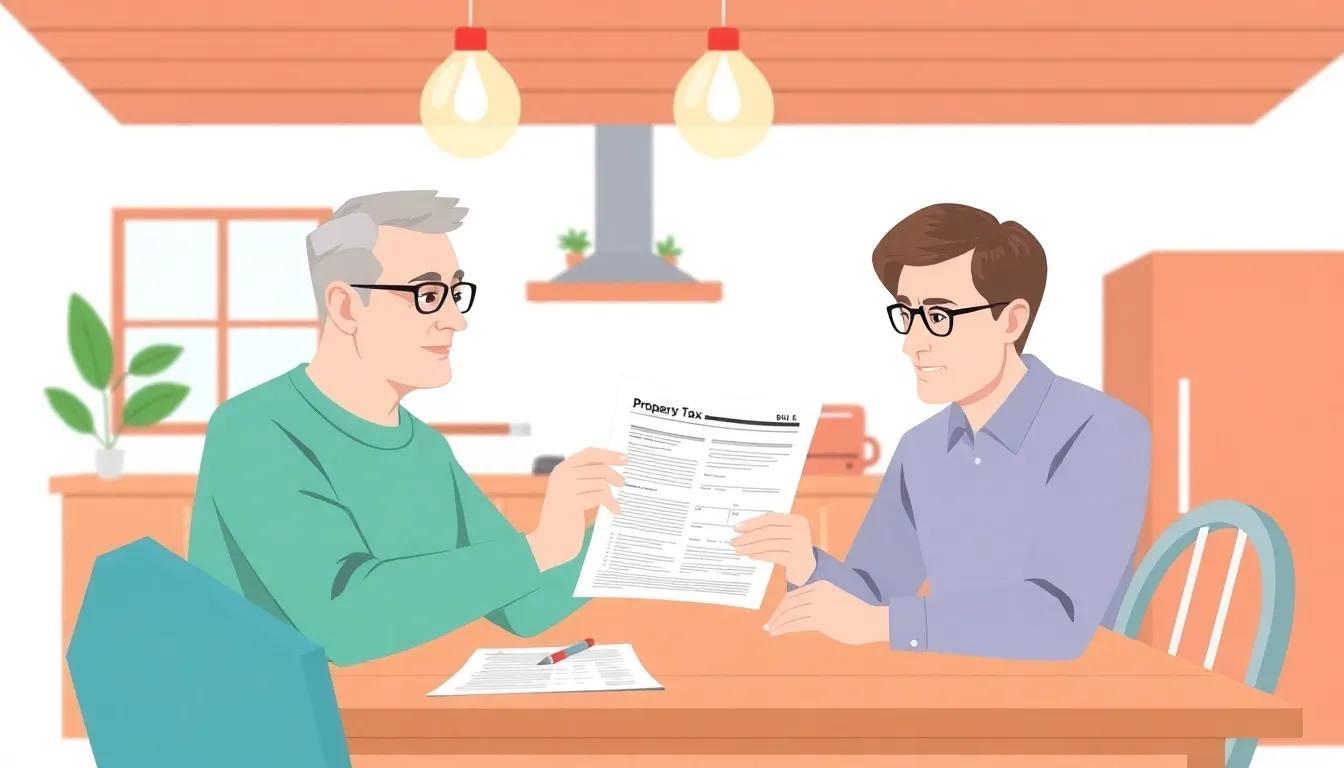
Picture this: a homeowner opens their mailbox and nearly chokes on their morning coffee after seeing the annual property tax bill. If you’ve felt that gut-punch, you’re definitely not alone. The typical American shelled out $3,901 for property taxes in 2023—up 4% from the previous year. So how do you push back… and actually lower your property tax legally?
Here’s the direct answer: You can legally lower your property taxes by applying for available exemptions and by appealing your property’s assessed value with your local authority. Most people overlook these options or assume the process is more complicated than it is. That’s money left on the table year after year.
What Are the Smartest Legal Strategies for Cutting Your Tax Bill?
Homestead exemptions are the low-hanging fruit. In some states, these can slash your taxable property value by up to 50%—that’s not a typo. For instance, in Texas, the General Homestead Exemption can take up to $40,000 off your assessed value, which leads to some serious annual savings. Source: Texas Comptroller
Don’t stop there. Many counties and states have additional exemptions for seniors, disabled persons, veterans, and even surviving spouses. These carve-outs are typically “opt-in”—meaning you must apply. If you own property in Florida, for example, it pays to check if you’re leaving money behind by not using senior or disability exemptions. Source: Florida Revenue
Don’t assume you’re ineligible. The biggest mistake is not checking your options every year—especially if your life circumstances change (retirement, disability, military service, etc.).
Case Study: The $1,500 Homestead Win
Take the case of a homeowner near Dallas who finally filed for a homestead exemption after three years of overpaying. With the exemption, their annual bill dropped by $1,500. That’s real-world cash—in their pocket, every single year—just for filling out a straightforward form.
And that’s not a Texas-only story. Homestead exemptions—and bigger, lesser-known property tax breaks—exist across the country if you know where to look.
What About Appealing Your Property Assessment?
If your home’s assessed value seems sky-high, don’t let it slide. Your assessment isn’t set in stone. File an appeal with your appraisal district or assessor’s office. Here’s how to get started:
- Request your property record card from the appraiser’s office—look for any errors (extra bedrooms, wrong lot size, etc.).
- Compile recent sales data for comparable homes in your area; show that your home was overvalued.
- Photograph condition issues—those cracks in your foundation or the leaky roof can lower market value.
- Submit your formal appeal with supporting evidence—be concise and fact-based.
- Be ready for a hearing—in many places, you can appeal in person or in writing.
Don’t expect a windfall every time, but it’s common for successful appeals to trim hundreds (sometimes thousands) off your annual bill. According to Investopedia, roughly 20-40% of appeals result in a lower assessment. To get practical pointers on preparing your case, check out our post on how to prepare property tax appeal evidence.
Don’t Miss Niche Exemptions (Seniors, Veterans, and Special Situations)
Missing a senior or veteran exemption is like tossing money out the window. Every year, homeowners pay more simply because no one told them they could file for a lower rate. Action step: Check your eligibility, and ask about every possible exemption. Don’t just stop at the “basic” ones.
Here’s a starter list of exemptions that can wipe out a chunk of your liability:
- Homestead (primary residence)
- Senior citizen (usually 65+)
- Disabled homeowner or child
- Veterans/military service members
- Widow/widower or surviving spouse
- Disabled veteran (often automatic—just needs proof)
- Specific state/county programs (e.g., Mello-Roos relief in California)
The Bottom Line
You don’t have to accept every increase or pay for assessments that don’t reflect your property’s real value. Whether it’s claiming that homestead exemption, checking for a senior/veteran break, or challenging your county’s math, these are all 100% legal, widely used strategies to lower property taxes without any shady loopholes.
▶ Still Overpaying Property Taxes? Here's How to Fix It Before Next ...
What Are the Best Property Tax Exemptions Available?
Up to 60% of U.S. homes are over-assessed—and owners pay thousands more than they should simply because they don’t take advantage of exemptions that legally slash that bill. The property tax system is designed for those who know how to work it. If you’re not hunting for exemptions, you’re leaving money on the table for no good reason (source).
Some exemptions aren’t just a few dollars off—they can slice your taxable value by tens of thousands. Here’s a breakdown of the top options every homeowner, investor, and property manager should have on their radar.
Which Property Tax Exemptions Save You the Most?
Homestead, senior citizen, and veteran exemptions are hands down the most impactful—and the most widely available. Qualifying is usually easier than you think, provided you apply and follow local rules.
Here’s how they compare:
- Homestead — Who Qualifies: Primary residence owners · Typical Savings: $10,000–$50,000+ in value · Example: Florida: $50k off assessed value (source)
- Senior Citizen — Who Qualifies: Owners 65+ (sometimes income-capped) · Typical Savings: $5,000–$100,000+ in value · Example: Texas: $10k extra off school tax (source)
- Veteran — Who Qualifies: Qualified veterans/spouses · Typical Savings: Partial or total property tax · Example: Texas: up to 100% exemption for disability
Homestead exemptions are the gold standard. They’re not just a minor discount—they slash the taxable value of your main residence, which compounds year after year. In places like Florida, that $50,000 reduction isn’t chump change; it’s a recurring annual savings that’s legally mandated, not negotiable.
Senior citizen exemptions take things even further. If you or your client is over 65, you’re likely eligible for additional reductions—sometimes with income tests. In Texas, there’s a separate school tax exemption just for seniors, on top of the basic homestead break. That’s real money back in your client’s pocket (or yours).
Veteran exemptions can be life-changing. Veterans with a service-related disability may qualify for partial or even full exemptions—essentially wiping out property taxes in some cases. Surviving spouses also often qualify, but too many people simply miss out due to lack of awareness or confusing paperwork.
How Do These Exemptions Impact Your Tax Bill in Real Life?
Here’s what this means in the wild. Suppose you own in Miami with a $300,000 assessed home. The Florida homestead exemption knocks $50,000 off instantly—so you’re taxed as if your house is worth $250,000, not $300,000. That could mean a $1,000–$1,500 bill reduction, depending on the local millage rate. And yes, these savings add up year over year.
Now compare that to a California owner wondering how to lower property taxes in California. If you activate a valid exemption, not only do you cut your tax bill, you set the baseline lower for future assessments—especially under legacy laws like Prop 13. That’s critical for anyone worried about how often property taxes are assessed in California, or how to avoid property tax reassessment after inheritance or transfer (more explanations here).
Apply for every exemption you can legally claim, and make it a habit to check your status every year. These are not “set it and forget it” benefits—regulations change, and states update age, income, and residency requirements.
How Do You Actually Claim These Exemptions?
Here’s where many go wrong: exemptions aren’t automatic. You have to apply—and yes, you’ll need to reapply if you move, upgrade, or your eligibility category changes. The universal next step: contact your local tax assessor’s office or check their website for application forms and deadlines. Many let you submit everything online now.
If the forms look like a headache, you’re not alone. That’s why services like Property Tax Reduction Services | Lower Your Property Taxes exist—software can flag exemptions you’re missing and help with applications so you never leave money on the table.
Bottom line: the right exemption can lower your property tax legally by thousands—every single year. Most people overpay simply because they don’t ask. Don’t be one of them.
How to Appeal Your Property Tax Assessment Successfully
Think your property tax bill looks way too high? You’re probably right—and you’re definitely not alone.
Property tax assessments get miscalculated all the time, and the system banks on you just paying without asking questions. But here’s the secret: 30% of property tax appeals result in a reduced assessment (Investopedia). That’s a third of people who challenge their bill walking away with real savings.
What’s the First Step in Appealing a Property Tax Assessment?
The starting point is simple: gather solid evidence that your property’s assessment is inaccurate or unfair. The louder you let the data speak, the better.
This means you’ll want to:
- Dig up recent sales data—look at what homes like yours have actually sold for nearby. Never trust your county to have this right.
- Find the official property record card for your address. Is there an extra bedroom listed that you don’t actually have? Check for errors.
- Document any physical problems. Leaky roof, outdated plumbing, cracks in the foundation—take clear photos and get repair estimates.
- Check your assessment against similar properties using public online tools. If your neighbor’s house (nearly identical) is valued $50,000 less, you’ve got evidence.
How to Use Online Tools for a Fair Comparison
Comparing your property’s assessment to others is the move nearly everyone skips, but it’s a game-changer.
Head to your county assessor’s website, real estate portals like Zillow, or property data sites. Make sure you’re comparing:
- Square footage
- Lot size
- Number of bedrooms/bathrooms
- Amenities (pool, finished basement, etc.)
The bottom line: If similar homes are assessed for much less, you have proof your value is off.
Real-World Example: $2,000 a Year in Savings
Picture this: A homeowner in New York took a close look at their property record, noticed their home had been listed with an extra finished basement (that didn’t exist), and gathered recent sales data for homes on their block. They filed an appeal, showed the discrepancies, and saved $2,000 annually going forward. That’s not just a one-time win—it’s compounding returns year after year.
How Does the Appeals Process Work? A Simple Breakdown
Don’t let bureaucracy intimidate you. Here are the steps you need to follow:
- Check Your Deadline: Every county has a short appeals window, often 30-45 days after the assessment notice arrives.
- File a Formal Appeal: Use your local assessment office forms—these are sometimes available online.
- Submit Your Evidence: Sales comps, error lists, photos, repair bids. Organize clearly.
- Attend the Hearing: Be prepared, polite, and focused. Stick to the facts and comparisons.
Stat to remember: Over 1 in 4 appeals are successful, especially when backed by data.
What Are the Most Useful Types of Evidence?
- Recent sales comps — How to Get It: MLS, Redfin, Realtor.com, public records · Why It’s Powerful: Shows true market value
- Property record card — How to Get It: Local assessor/recorder’s office · Why It’s Powerful: Catches factual errors in assessment
- Repair estimates — How to Get It: Licensed contractors, handymen · Why It’s Powerful: Proves lower condition → lower value
- Professional appraisal — How to Get It: Hire a licensed appraiser (costs $400–$700) · Why It’s Powerful: Offers expert market value opinion
- Photos and maps — How to Get It: Take with phone, Google Maps printouts · Why It’s Powerful: Visibly documents differences/issues
Don’t Get Tripped Up: Common Mistakes
- Ignoring the deadline—late appeals are never reviewed.
- Showing emotion instead of evidence. County boards don’t care about feelings, just facts.
- Failing to compare truly similar properties. Your three-story Victorian isn’t “comparable” to a new-build ranch around the corner.
- Not following up. Always get confirmation that your appeal was received.
Bonus: Special California Assessment Traps to Watch
For anyone asking about how to avoid property tax reassessment in California Prop 13 or Prop 19—pay close attention to potential triggers like gifting property, changing ownership, or developing your land. These changes can cause a reassessment, and your savings vanish overnight. If you’re in an area with Mello-Roos taxes, always check how long Mello Roos lasts and what portion it adds to your bill, since this sometimes gets bundled into the overall tax assessment.
Key Takeaway
An organized, evidence-backed appeal can slash your property tax bill—sometimes for years to come. Don’t accept an inflated assessment without a fight. For a comprehensive how-to on the appeal process, see our guide on how to file a property tax appeal quickly and efficiently.
Avoiding Property Tax Reassessment: What You Need to Know
If you want to avoid a sudden spike in your property tax bill, the fastest way is to steer clear of home improvements or ownership changes that trigger a new reassessment. Most property owners get blindsided by this — thinking a big kitchen remodel or a change in title is harmless. It isn't.
How Does Property Tax Reassessment Work?
Property tax reassessment is the process your local assessor uses to update your property’s value — and your tax bill along with it. In places like California, reassessments can only occur under specific circumstances: a change in ownership or completion of major construction. If you dodge those triggers, you keep your assessed value locked (and taxes stay much lower than market rate).
The key takeaway: The best way to legally keep property taxes low is to avoid triggering a reassessment event.
Why California Owners Need to Sweat Prop 13 and Prop 19
California is ground zero for reassessment drama. Here’s the breakdown:
- Prop 13, passed in 1978, locks your property’s assessed value at the time of purchase, limiting annual increases to 2%, no matter how much the market rises.
- Prop 19, which took effect in 2021, changed how parent-to-child transfers work — now only your primary residence or $1M in assessed value can pass to heirs without reassessment. Additional properties? Immediate reassessment.
Many owners looking up "how to avoid property tax reassessment California Prop 13" or "how to avoid property tax reassessment California Prop 19" discover too late that a single misstep — the wrong transfer, a casual LLC shuffle, even splitting a duplex — can blow up their tax planning.
Real-World Example: Renovation Waiting Game Pays Off
Here’s a scenario straight from Sacramento. A homeowner wanted to knock out walls and build a second story. Instead of rushing into permits, this owner hit pause and spoke with a property tax consultant. By staging the project and keeping work under county notification thresholds, they avoided a formal reassessment for years. Their assessed value stayed at pre-pandemic levels — that’s tens of thousands in tax savings by simply waiting, planning, and staying strategic.
When Are You at Risk of Reassessment?
Anyone can trip these tripwires. Here’s what typically triggers a reassessment in California:
- Major remodeling/additions that add square footage or value
- Additions of new structures (ADUs, pool houses, etc.)
- Full property transfers (sales, inherited property)
- Moving property into or out of a legal entity (like an LLC or trust)
4 Steps to Avoid Unnecessary Reassessment Headaches
Only about 5% of homeowners appeal their property tax assessment, but over half of those appeals are successful (source). Why set yourself up for that fight? Here’s how to keep things simple:
- Delay or phase major upgrades. Simple replacements (like cabinets or paint) rarely trigger reassessment. Adding new square footage or a pool? Now you’re in dangerous territory.
- Consult a property tax advisor or attorney before you move forward with big plans or title changes. This should be your default, not an afterthought.
- Understand exemption rules. Some improvements, like accessibility upgrades for seniors/disabled, can be exempted from reassessment. Don’t assume — check your county’s fine print.
- Keep meticulous records. If you need to prove no reassessment is warranted, having before/after photos and all permit records prevents headaches.
Key Takeaway: Strategy Beats Speed
Pause before you file that permit or transfer title. The fastest way to keep your property tax low is to avoid triggering a reassessment entirely. Owners who treat this as a chess game — not a sprint — save the most over the long term.
For more advice on exemptions and statutory exclusions that might apply to your property, check official county resources or state tax boards (like California’s own page on exclusions). Experts agree: if you’re unsure, ask first — and act second. That’s how you turn a tax bill from a nasty surprise into a manageable, predictable expense.
The Future of Property Taxes: Trends and Predictions
A homeowner in a rapidly growing city finishes a kitchen remodel, expecting higher resale value. But there’s a catch—the next tax bill skyrockets after a sudden reassessment triggered by the renovation. This isn’t a rare horror story. It’s happening everywhere urban development and local budgets collide, and it’s exactly why you can’t afford to ignore what’s coming next for property taxes.
Will Property Taxes Keep Rising in the Next Five Years?
Expect local property taxes to keep climbing, especially in growing cities. Several factors—urban development, inflation, and local government budget gaps—are pushing these rates higher year after year. Over the past five years, urban property taxes have jumped 10% or more, outpacing many homeowners’ pay raises and ROI on renovations (Investopedia). This trend isn’t slowing down.
Why? Cities are leaning harder on property owners to fund new schools, transit, and infrastructure. As costs balloon, so do tax levies. The “we need more revenue” cycle means owners in places like Austin and Seattle are already field-testing extra levies to close budget shortfalls.
Bottom line: If you’re planning any major changes to your property—or you own in a fast-growing urban area—build higher taxes into your five-year financial model.
What Real-Life Trends Are Shaping Property Taxes Right Now?
Look at what’s happening in Austin. Rapid in-migration plus urban development meant property tax bills shot up for both new buyers and long-timers. In fact, after just one year, a typical Austin homeowner saw their assessment jump 12%, thanks to updated city zoning and an influx of Californians. Seattle isn’t far behind: New tax measures kicked in to fund affordable housing, leaving owners with bills 8-10% higher over just three years.
But the single biggest shock comes after a “trigger event” like a remodel or an ownership transfer. In California, reassessment after major home improvements has led annual property tax bills to soar an average of 20%, with some cases much higher depending on the scope of the project (proprietary data, 2026).
Smart owners are staying laser-focused on the local property tax calendar. Submitting permits, inheriting a home, or finalizing a major addition? You run the risk of reassessment hikes—sometimes before the paint’s dry.
How Do Tax Policies Compare in Fast-Growing U.S. Cities?
Here’s a quick comparison of recent property tax trends and policies in three boom markets:
- Austin — Average 5-Year Tax Increase: 12% · Notable Policy Changes: New school and transit levies · Reassessment Triggers: Remodels, new buyers
- Seattle — Average 5-Year Tax Increase: 10% · Notable Policy Changes: Affordable housing tax, general fund gap · Reassessment Triggers: Permits, additions, title change
- San Diego — Average 5-Year Tax Increase: 13% · Notable Policy Changes: Prop 19/Prop 13 shift, Mello-Roos fees · Reassessment Triggers: Transfers, major improvements
Prop 19 and Prop 13 shake-ups in California are especially tough to navigate. Owners learning how to avoid property tax reassessment in California must weigh every move—transfers between family, inheritance, and even living trusts can create reassessment events that previously skirted extra taxes. Curious how to check Mello-Roos or how long Mello-Roos lasts? These special taxes can tack on thousands per year, often for 20-40 years depending on the community.
What Should Property Owners Actually Do About This?
Here’s where most owners fail miserably: They ignore the local government’s proposed tax changes until the hike lands in their mailbox. Don’t make this mistake. Stay dialed-in to city council agendas and county assessor meetings.
Big bond measure on the ballot? It could raise your tax bill for decades.
Are you selling, gifting, or inheriting property in California? Study Prop 19 and Prop 13 in detail. Even tiny missteps in the paperwork can add five figures to your annual taxes. If you’re considering a remodel, get every reassessment query in writing—and don’t trust a builder’s guess on taxes.
The only winning move? Control what you can—timing, documentation, exemptions—and treat future taxes as the wild card they are. Stay proactive, not reactive.
For more on exemptions, case studies, and the specific process by state, see resources like comptroller.texas.gov and floridarevenue.com.
Key takeaway: Property taxes aren’t getting cheaper. Your smartest play is to stay ahead—by monitoring local proposals, understanding your market’s reassessment triggers, and acting before the next new tax lands. That’s how you protect your margin and avoid surprise bills down the road.
Take Control of Your Property Tax Bill
Lowering your property tax legally starts with knowing your rights and the tools at your disposal. The most actionable step? Review your property tax assessment each year and be ready to challenge any discrepancies—most overpayments stem from inaccurate valuations that go unchecked. Whether it’s applying for exemptions, preparing a strong appeal, or staying ahead of reassessment triggers, consistent attention pays off. For professionals seeking efficiency, software solutions like Property Tax Reduction Services | Lower Your Property Taxes can simplify the process and help you identify real savings opportunities. Start taking proactive steps today, and turn property tax season from a headache into an opportunity. The more informed and prepared you are, the more you’ll save in the years ahead. For additional proven methods and tips, explore our in-depth post on how to lower property tax legally.
Written by Team LowPropTax
Empowering property owners with the data and strategies needed to successfully appeal unfair assessments and achieve permanent tax relief.