How to Reduce Property Tax Bill: Effective Strategies

Learning how to reduce your property tax bill can save you thousands of dollars every year. The most effective ways include challenging your home’s assessed value, finding overlooked exemptions, and using tax credits that often go unnoticed. If you’ve ever opened your annual property tax notice and felt a surge of frustration at how much you’re being asked to pay, you’re not alone.
Property taxes keep climbing, and for many property owners and investors, those bills rise faster than property values or income. Here’s a number you can’t ignore: Over 60% of property owners are over-assessed, meaning they pay more in taxes than they should, yet less than 5% ever appeal their bill. The process feels intentionally complicated, like a puzzle designed to keep you paying more and questioning less. The jargon is intimidating, the deadlines sneak up quickly, and calling a local tax assessor can feel like shouting into the void. You want to maximize your real estate returns—whether for your personal residence, an investment property, or an entire portfolio—but it feels like the tax system is working against you.
It doesn’t have to be this way. When you know how to decipher your property tax bill and understand the appeal process, you put power back in your hands. This guide goes beyond the basics, addressing why property taxes soar, how to accurately assess your bill, and, most importantly, proven strategies for reducing what you owe. You’ll see how real property owners successfully lowered their tax bills, discover money-saving tax credits, and get insights into legislative changes that could impact your finances in the coming years.
If you’re ready to transform property taxes from an unavoidable headache into a manageable expense, let’s dive into why those bills are so high in the first place.
Why Are Property Taxes So High? Understanding the Core Problem
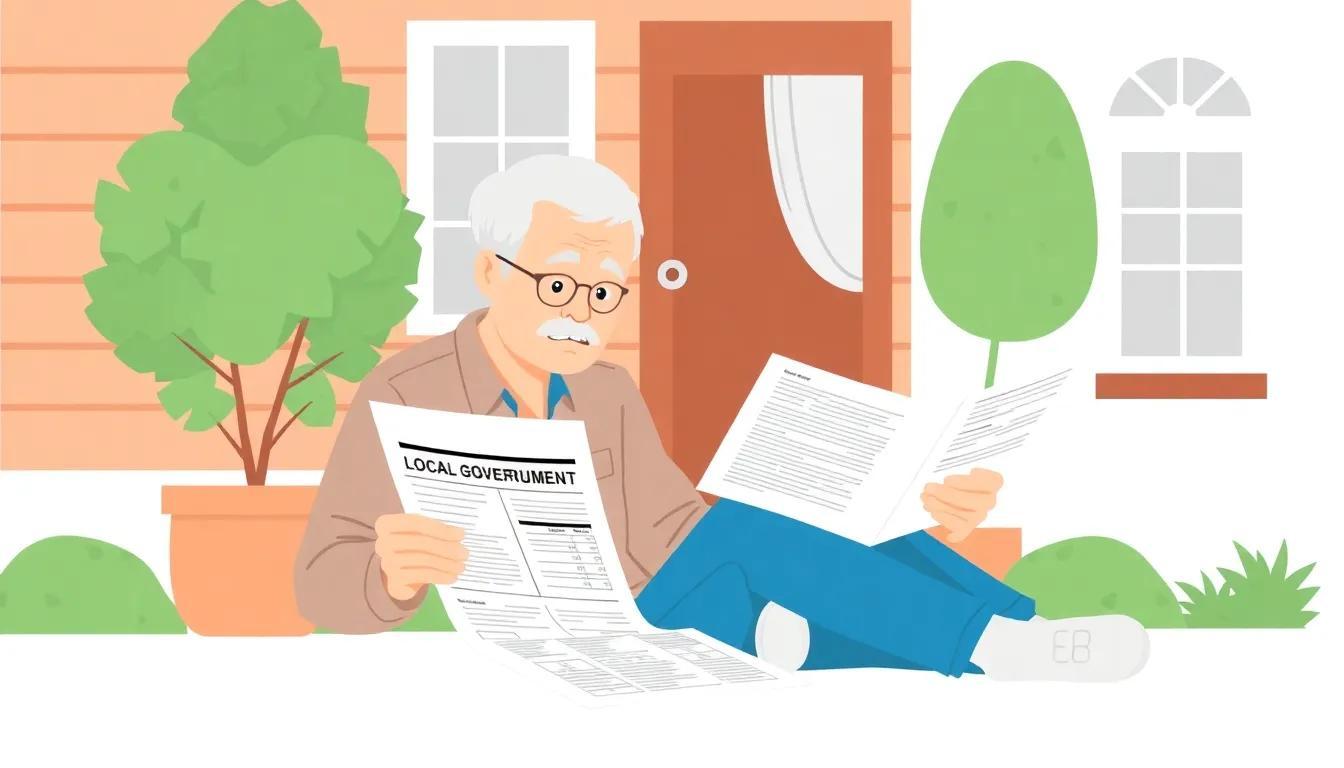
Property taxes are high because they fund the backbone of your community—everything from public schools and police, to fire departments, libraries, and road repairs. The more services your city or county offers (or the more inefficiently it runs them), the higher your bill climbs. For 2026, those bills went up an average of 3% nationwide due to swelling municipal budgets and ballooning public service costs [source].
Why Do Property Taxes Keep Rising?
The answer has less to do with your individual home and everything to do with local government spending. When a city needs more cash for new schools, better teacher salaries, or infrastructure upgrades, property owners foot the bill. That’s not just a theory—you see it year after year as operating expenses trend upward.
Here’s the kicker: Not every dollar goes toward direct services. Administrative overhead, pension obligations, and debt servicing can quietly bloat tax bills.
Look at New Jersey. The average homeowner hands over about $8,500 a year in property taxes, the highest in the U.S. If that number sounds outrageous, it’s because it is—local policies and decades-old funding formulas practically guarantee it. California isn’t far behind in complexity, but there the pain comes from a different angle: aggressive reassessments, Prop 19 changes, and confusing special taxes like Mello-Roos keep owners guessing (and paying more).
Where Does All That Money Go?
If you’ve ever opened your tax bill and wondered why it’s higher than last year, start with the local budget. Your property taxes are split between:
- Public school districts — Usually the largest share; in many areas, more than 50% of the bill goes to K-12 education.
- Police, fire, and emergency services — These essential services eat up a shocking portion of local funds.
- Public works and infrastructure — Think roads, sewer lines, and parks.
- County and municipal administration — Includes everything from payroll to pension programs.
Are Inefficiencies Increasing Your Tax Bill?
Absolutely. Hidden costs—from duplicate services to underused facilities—drive property taxes higher year after year. Small towns with shrinking populations? They’re still running legacy services they can’t afford, but you pay for it anyway.
For example, a city with three high schools operating below capacity still needs to staff teachers, maintain buildings, and fund transportation. Instead of consolidating, many regions just increase taxes to keep the status quo.
What Should Every Owner Do?
If you want to know how to lower property taxes, start by digging into your local government’s budget. It’s public information. Download next year’s proposed budget and follow the money—look for things like administrative bloat, planned capital projects, and recurring deficit spending. This research will arm you when it’s time to challenge your next assessment or argue for community cuts.
And for California owners specifically, don’t ignore the impact of Prop 19 or the nightmare of reassessments. Want to avoid a property tax reassessment under Prop 19? Inheritance structures and primary residence rules now matter more than ever. Knowing how to check for extra assessments like Mello-Roos can also prevent surprise spikes. For detailed insights on triggers of reassessments, see this article on what triggers a property tax reassessment.
Key Takeaway
High property taxes come from a combination of expanded local government spending, inefficient service delivery, and policy changes that don’t always favor owners. If your bill shot up again in 2026, you're not alone—and understanding where every dollar goes is the first step to fighting back.
For more on property tax relief strategies, check comprehensive breakdowns from ITEP and similar organizations tracking legislative changes and local trends.
How to Assess Your Property Tax Bill: A Step-by-Step Guide
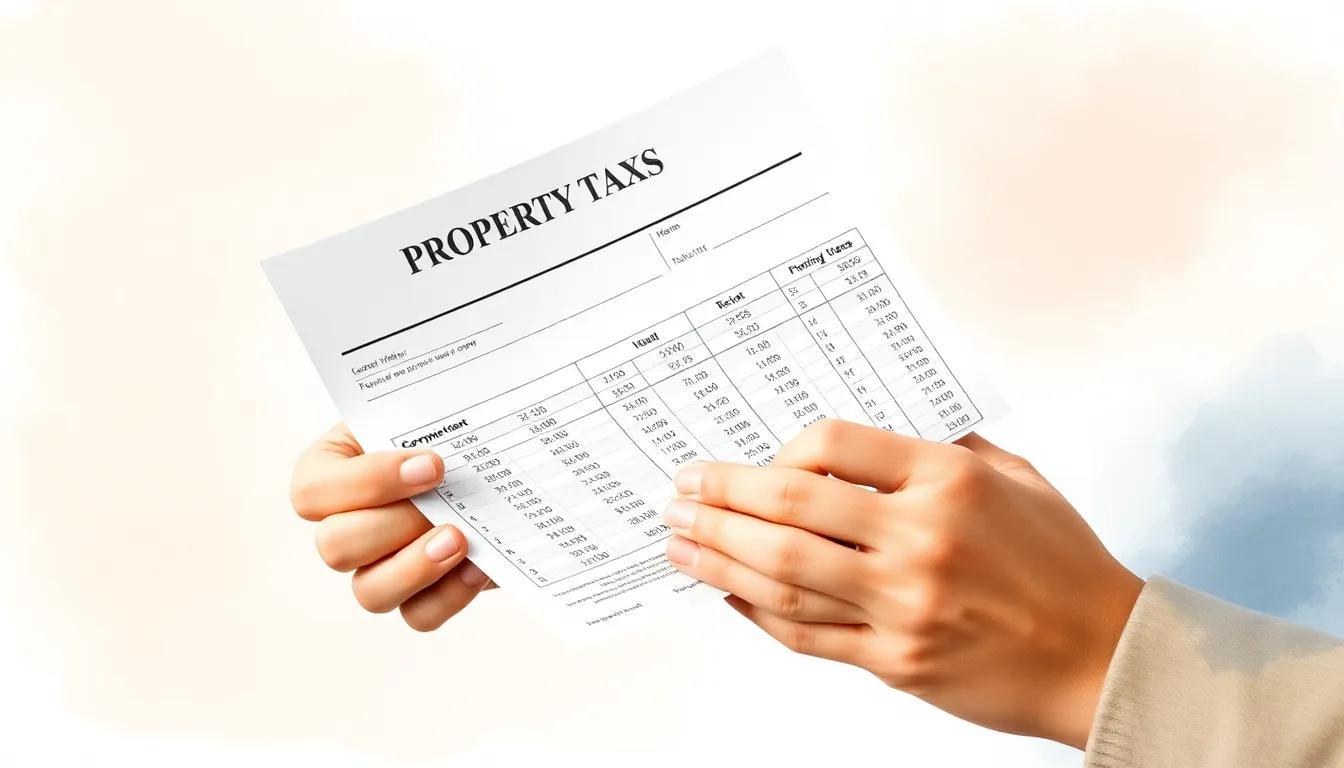
Picture this: you open your annual property tax bill and nearly spill your coffee. The number is hundreds—maybe thousands—higher than last year. It feels like a sucker punch, and you’re left scrambling for answers.
Here’s the hard truth: that sticker shock might be because your bill is flat-out wrong. According to a 2026 audit by the National Taxpayers Union, roughly 60% of property tax bills contain some sort of error. That means odds are good you’re already paying too much.
What should you do first if you want to reduce your property tax bill?
Start by getting your property tax card from your local assessor’s office. This one document can make or break your appeal. Your tax card details everything the taxing authority knows (or thinks it knows) about your property—square footage, lot size, number of bathrooms, finished basement, improvements, even garage type.
You can usually request your tax card online, by phone, or at city hall. It’s public record, so don’t let the request intimidate you. Make sure you get the most recent version.
Which errors inflate property tax bills most often?
The number one reason for costly mistakes? Incorrect property details—sometimes laughably wrong.
- A recent example: a homeowner discovered that their property card listed 2,400 square feet, a full 400 more than actual. This one innocent typo added $500 in extra taxes for a single year until it was corrected.
- Sometimes, the property is coded as “improved” when it’s been unchanged for years.
- Features like pools, finished attics, or extra bathrooms are added in error—or never removed after demolition.
Always read every line of your property tax card with a skeptic’s eye.
How to check for overassessment—and identify savings
After reviewing your property tax card, compare the assessed value of your property to similar homes in your neighborhood. Don’t use best guesses—look up recent sales data and assessment records of neighboring properties with nearly identical specs. Real estate platforms or your local assessor’s searchable database can get you started.
Here’s how this step-by-step review looks:
- Obtain your property tax card from the assessor.
- Identify discrepancies: Check square footage, amenities, lot size, and improvements.
- Compare assessed value: Use recent sales and other properties’ tax records. Are similar homes valued much less?
- Note classification: If you’re in California, check for special charges like Mello-Roos by searching “how to check Mello Roos.” Mistakes here can mean hundreds more per year.
- Document your findings: You’ll need them if you file an appeal.
Double-check special circumstances: In California, “how to avoid property tax reassessment California Prop 19” and “how to lower property taxes in California” are common worries. Watch for errors that would trigger a reassessment, such as misreported transfers or claimed improvements that never actually happened.
To learn how to prepare your evidence properly for an appeal, consider reading this detailed guide on how to prepare property tax appeal evidence.
Bottom line for property owners
You can’t appeal what you don’t understand. Errors—large and small—compound for years. Fixing them is by far the fastest way to lower your property tax bill without legal headaches or protracted battles.
Ready for proof that you’re not alone? A 2026 audit by the National Taxpayers Union pegs the error rate at 60%—that’s billions of dollars in unnecessary taxes every year (source).
One wrong measurement, one unchecked line item, and you’re on the hook until you catch it. Review your property tax bill like a detective, not a bystander. That “small error” could pay for a vacation—every single year.
What Are the Best Strategies to Reduce Your Property Tax Bill?
Ever stared at your property tax bill and wondered if you’re simply being overcharged? The harsh reality is a shocking number of property owners pay more than they should, all because they overlook simple, powerful strategies that can cut their bill by thousands. The key isn’t some tax loophole—it’s understanding the rules and demanding what you’re owed.
Start with Exemptions: Your First Line of Defense
If you’re living in your home as your primary residence, don’t sleep on homestead exemptions. These can reduce your assessed value by up to 50%, which means you’re taxed on a fraction of what your home is actually worth. For context, homestead exemptions saved U.S. homeowners over $15 billion in 2025—real money that stayed in pockets instead of getting swallowed up by the county assessor source: itep.org.
Different states offer wildly different benefits. Take Texas as the gold standard for generosity: If you own your home, you get a $40,000 exemption on school district taxes, automatically shaving a major chunk from your bill. Not in Texas? Nearly every state offers some form of primary-residence relief, but the amounts and processes change by zip code. Dig into your local options and apply fast—this isn’t automatic in most places.
Live in California? Here’s Why You Need to Act Fast
California property owners know the system is a maze, thanks to Prop 13, Prop 19, and the infamous Mello-Roos assessments. Want to know how to lower property taxes in California? First, claim every exemption for which you qualify—and don’t overlook parent-child or grandparent-grandchild transfers to avoid reassessment under Prop 19. Also, periodically check if Mello-Roos taxes apply to your parcel before paying more than necessary—search “how to check Mello-Roos” with your county recorder’s office. The difference in your annual bill can be massive.
Don’t Trust Assessed Values Blindly—File an Appeal
Think your assessed value is inflated? You’re not alone. The National Taxpayers Union found up to 60% of U.S. properties are over-assessed—meaning you might be paying on a phantom value. Don’t let that slide. Appeal your assessment if the value is out of line—a successful appeal can drop your tax bill for years to come.
To learn the quickest way to file an appeal and avoid common pitfalls, see this post on how to file a property tax appeal quickly and efficiently.
▶ How I lowered my property taxes FAST! - YouTube
To win your appeal, gather recent sales data from comparable properties in your neighborhood, document any defects or damage, and stick to deadlines. Most counties have a short appeals window once the assessment notice lands in your mailbox, so don’t procrastinate. If your appeal is successful, the savings can multiply over several years.
Deferrals: Not for Everyone…But a Lifeline for Some
If property taxes are crushing you but exemption and appeal routes are exhausted, check into property tax deferrals. These are mostly aimed at seniors, disabled owners, or cash-strapped households. The catch is you’ll eventually pay that tax bill, often with interest, but deferral can provide relief if you’re in a temporary bind. Check your state’s eligibility rules—deferral is rarely automatic.
Exemptions cut the amount you owe right off the bat. Appeals challenge the math—and can lock in lower bills if you win. Deferrals buy time, but don’t wipe out your bill permanently.
Here’s how the major tactics stack up:
- Exemptions — Who Can Use It: Homeowners, seniors, veterans · How Much Can You Save: 10%-50% of taxable value · Does It Delay Taxes?: No · Permanent Savings?: Yes · Typical Steps: Apply once, renew as needed
- Appeals — Who Can Use It: Any property owner · How Much Can You Save: $100s-$10,000+ depending on case · Does It Delay Taxes?: No · Permanent Savings?: Yes (if successful) · Typical Steps: Gather comps, submit appeal during assessment window
- Deferrals — Who Can Use It: Seniors, disabled, low-income · How Much Can You Save: Up to 100% of bill (temporarily) · Does It Delay Taxes?: Yes · Permanent Savings?: No · Typical Steps: Apply annually, interest accrues, pay at sale/transfer
If your goal is to keep property taxes low for the long haul, combining every applicable exemption with a sharp eye for assessment errors is the playbook. You can’t afford to ignore these steps—doing so is a direct hit to your bottom line.
The key takeaway: You don’t just have to throw up your hands and accept your property tax bill. The right mix of exemptions, appeals, and—if needed—deferrals, can shrink that number dramatically. Always challenge your assessment and claim every break you can find; the savings are worth the effort.
For more tips on lowering taxes legally, this article on how to lower property tax legally offers practical steps and insights.
For more on these tactics and essential relief options, check out the Tax Policy Center’s guide.
Case Study: How One Family Successfully Reduced Their Property Taxes
Only about 5% of homeowners bother to appeal their property tax assessments, yet nearly half of appeals actually succeed (ATTOM Data Solutions, 2023). That’s not a rounding error—it’s a missed opportunity for real savings, with billions left on the table every year.
How the Smith Family Cut Their Tax Bill by 20%
Professional assessments can uncover errors that lead to significant property tax savings. Just ask the Smiths, a family living in suburban Illinois, who knocked 20% off their yearly bill simply by refusing to accept their county assessor’s verdict.
The Smiths’ story isn’t rare, but the steps they took are a masterclass in what actually works. Here’s what happened: After a sudden spike in their property tax bill, the Smiths did exactly what most property owners don’t—they scrutinized their assessment notice line by line.
They found the county had overestimated both the size of their home and its “excellent” condition rating. In reality, their home hadn’t seen upgrades in years.
Hiring a Pro: The Game Changer
Instead of just filing a do-it-yourself appeal (which the county denied), they brought in a licensed property tax consultant. The pro conducted a new measurement, compiled dated sales comps, snapped fresh photos, and prepared a side-by-side comparison of the assessor’s records versus actual conditions.
Here’s where the magic happened: the consultant flagged errors the county couldn’t ignore. Major square footage discrepancy. Outdated details about the finished basement. Overstated HVAC upgrades that never happened.
The result? The assessment dropped by $56,000, and the family’s tax bill fell from $7,200 to $5,800. That’s a recurring win—not a one-off rebate.
Only about 1 in 20 homeowners challenge their property tax bills, but when a professional handles the appeal, approval rates jump significantly.
Key steps the Smiths took (that you can steal):
- Check your assessment for errors. This isn’t busywork—it’s where most overpayments start.
- Gather your own evidence. Photos, contractor invoices, blueprints—anything that tells the true story of your property.
- File a formal appeal. Don’t expect miracles if you just call and complain. Use the official process.
- If denied, call in an expert. A licensed property tax consultant or appeal service will know the documentation and tactics that sway assessors.
- Consider negotiating directly. In some cases, the board is open to compromise if you present compelling data.
Bottom line: If your initial appeal fails, don’t let the process intimidate you. Bring in a local professional—they usually work for a percentage of the savings, and legitimate errors are your ticket to a lower tax burden.
Side-by-Side: Common Errors Caught By Professional Assessors
- Square Footage Overstatement — Frequency in Successful Appeals: High · Potential Savings: Up to 25% off bill
- Incorrect Condition Rating — Frequency in Successful Appeals: Medium · Potential Savings: 10-20% off bill
- Outdated Remodel Data — Frequency in Successful Appeals: Medium · Potential Savings: 5-15% off bill
- Wrong Property Usage — Frequency in Successful Appeals: Low · Potential Savings: Varies
Source: [Tax Policy Center](https://taxpolicycenter.org/fiscal-facts/property-tax-relief-options-and-who-they-help)
The Takeaway for Property Owners
If you’re staring down a high property tax bill, doing nothing is the only guaranteed way to keep overpaying. Professional assessment isn’t a last resort—it’s often the fastest path to real results. Services like Property Tax Reduction Services | Lower Your Property Taxes make the process approachable and affordable, even if your county’s system feels designed to wear you down.
Frequently Asked: “Should You Always Hire a Consultant?”
You shouldn’t call in a pro for every minor dispute, but if your initial appeal gets denied or you spot big discrepancies—size, condition, features—it’s a smart move. Successful appeals aren’t luck; they’re built on solid evidence and experience.
Knowing how to reduce property tax bill is only half the game—acting, especially after an initial setback, is what separates the savers from everyone else.
How Do Property Tax Credits Work? Maximizing Your Savings
Property tax credits slash the actual amount of tax you owe—not just the assessed value—often based on your income, age, or how you use the property.
Take the Nelson family. After a sudden jump in their property tax bill, the numbers threatened their ability to keep the home they’d inherited. Cue the scramble to learn: How do property tax credits work, and could one actually save them thousands? That question’s more relevant in 2026 than ever—credits delivered $10 billion in direct relief to eligible homeowners just this year (taxpolicycenter.org).
What is a property tax credit and how does it save you money?
A property tax credit is a dollar-for-dollar reduction in what you owe the tax collector—sometimes even netting you a refund if your taxes are already paid. These programs are a lifeline for anyone facing a crushing bill, especially if your income barely flexes to cover annual jumps.
Credits usually target certain groups: low-to-moderate income households, seniors, veterans, and disabled homeowners. Qualifying might hinge on personal income, property value, disability status, or simply being over a threshold age. Here’s the key: credits reduce your liability, not just your property’s assessment. That’s a direct hit to your annual bill, not a small tweak to how it’s calculated.
Real example: The Circuit Breaker effect
Illinois sets the bar with its Circuit Breaker program. Low-income seniors, renters, and people with disabilities can get direct credits against the taxes—or, for renters, even against rent paid if the landlord pays property tax. For the Nelsons, discovering their elderly mother qualified meant $700 right back in their pocket. And their story is far from an outlier.
Property tax credits aren’t just for Illinois. Nearly every state (and countless cities) offers a mix of homestead exemptions, circuit breakers, or targeted relief programs for primary homes, rental properties—or both.
Eligibility varies: How to know if you qualify
Each state writes its own rulebook for property tax credits. One might cap eligibility based on annual household income (often between $30,000 and $80,000), another on fixed characteristics like age above 65. Others are only for disabled veterans or allow renters who directly bear tax costs to claim relief.
Here’s the bottom line: You need to check your own state’s programs. California, for example, has its own quirks—think of searching how to lower property taxes in California, or even how to avoid property tax reassessment California Prop 19 if you’re passing property to heirs. For anyone wondering how to keep property taxes low, skipping this homework is a huge mistake. A five-minute search at your local assessor’s or state’s website can reveal thousands in overlooked savings.
Comparing the credits: Programs and possible windfalls
To spotlight the massive potential, here’s how top state credits stack up—each line a hypothetical version of the Nelsons’ decision-making roadmap:
- Illinois — Key Program: Circuit Breaker · Typical Eligibility Criteria: Income Bottom line: Federal reform could flatten out some regional tax shocks, but it will also reduce your ability to shop for favorable assessments across state lines.
Example: California’s Prop 19 and Its Ripple Effects
California’s Proposition 19, passed in 2021, completely upended how property reassessments work after an inheritance. Before Prop 19, heirs could maintain their parents’ or grandparents’ low tax assessment in most cases. Now, unless the property becomes the new owner’s primary residence, a full market-value reassessment is triggered.
People continually google "how to avoid Prop 19", hoping for a magic bullet, but the options are narrow:
- Live in the property as a primary residence (with proof to back it up).
- Complete transfers before the original owner passes, using legal but tricky estate-planning mechanisms.
- Sometimes, trusts or LLCs can help, but these are increasingly under scrutiny.
Worst of all, there’s no way to check Mello Roos assessments or local special taxes on many online tax portals — you’ll need to contact the county directly to avoid surprise charges.
What’s on the Horizon for Owners Wanting to Lower Property Taxes?
If you’re tired of outsized property tax hikes, you’re not alone — but expecting sweeping relief soon is wishful thinking. Most upcoming changes will reshape how taxes are calculated and allocated, not slash rates across the board. Still, staying informed and taking action remains your best edge.
Here are the most effective ways to stay ahead as property tax laws change:
- Sign up for local government tax alerts. Many county assessors and tax boards now send notifications about proposed changes, hearings, and new exemptions.
- Track major federal and state bills. Bookmark reputable sources like the National Conference of State Legislatures for timely updates.
- Consult with a property tax attorney or advisor before inheritance or sale. The right strategy could save tens of thousands if planned correctly under the new rules.
- Audit your property tax bill yearly. Spotting mistakes or unjustified increases early makes appeals much easier.
- Stay up-to-date with local measures. Localities often sneak new fees (like Mello Roos in California) via special ballots.
Key Takeaway
States are racing to cap annual property tax increases, while a sweeping federal bill could transform how properties are assessed nationwide. Don’t depend on the law standing still — proactively monitor local and federal proposals and audit your tax bill every year to spot opportunities for savings. If you want to know how to lower property taxes, vigilance is no longer optional. In this game, only the hyper-informed win.
Take Charge of Your Tax Bill
The key to lowering your property tax bill is staying proactive—don’t wait for your assessment to arrive; review it carefully and challenge any discrepancies as soon as possible. By regularly assessing your property’s value, understanding the appeals process, and using available tax credits, you put yourself in the best position to save. For those looking to simplify the process or handle complex cases, tools like Property Tax Reduction Services | Lower Your Property Taxes can make navigating appeals and documentation much simpler. Remember, reducing your property tax bill isn’t a one-time effort, but with the right approach, you can ensure your payments stay fair year after year. Start today, and let your bottom line benefit from your diligence.
Written by Team LowPropTax
Empowering property owners with the data and strategies needed to successfully appeal unfair assessments and achieve permanent tax relief.