Property Tax Appeal Reviews: Customer Experiences and Ratings

Property Tax Appeal Reviews: Your Guide to Lowering Assessments
Property tax appeal reviews let property owners compare expert services, strategies, and outcomes before challenging high assessments. The best review sources in 2026 offer honest feedback on cost, customer support, and success rates to help you choose a service that delivers results. Here's a surprising fact: Over 60% of property owners who challenge their tax assessments succeed in lowering their tax bills—yet most never try.
If you've ever stared at your property tax bill and wondered how it skyrocketed overnight, or felt lost in jargon-heavy paperwork, you're not alone. Whether you own a single rental unit or manage a commercial portfolio, dealing with property tax assessments often feels like deciphering an encrypted code—one mistake and you’re overpaying by thousands each year. Then there’s the choice between a nerve-racking DIY appeal or finding a trustworthy service that won’t drain your budget with upfront fees or empty promises.
Not all property tax appeal services are equal. Some rely on slick marketing and vague guarantees, while others have the legal muscle and local expertise to tilt the odds in your favor. But discerning which service actually works—and which is just after your money—means cutting through a jungle of confusing options and mixed reviews. Credible property tax appeal reviews become your secret weapon, saving you hours of research, anxiety, and potentially thousands in unnecessary taxes.
This article breaks down the chaos. You’ll get an insider’s look at which property tax appeal services are genuinely moving the needle in 2026, which strategies separate winners from losers, and what pitfalls you must dodge. If you’re determined to stop overpaying and master the property tax appeal process, every insight in this guide will get you closer to that goal. Let’s start by understanding why property tax appeals have become such a significant change this year.
Why Property Tax Appeals Matter More Than Ever in 2026
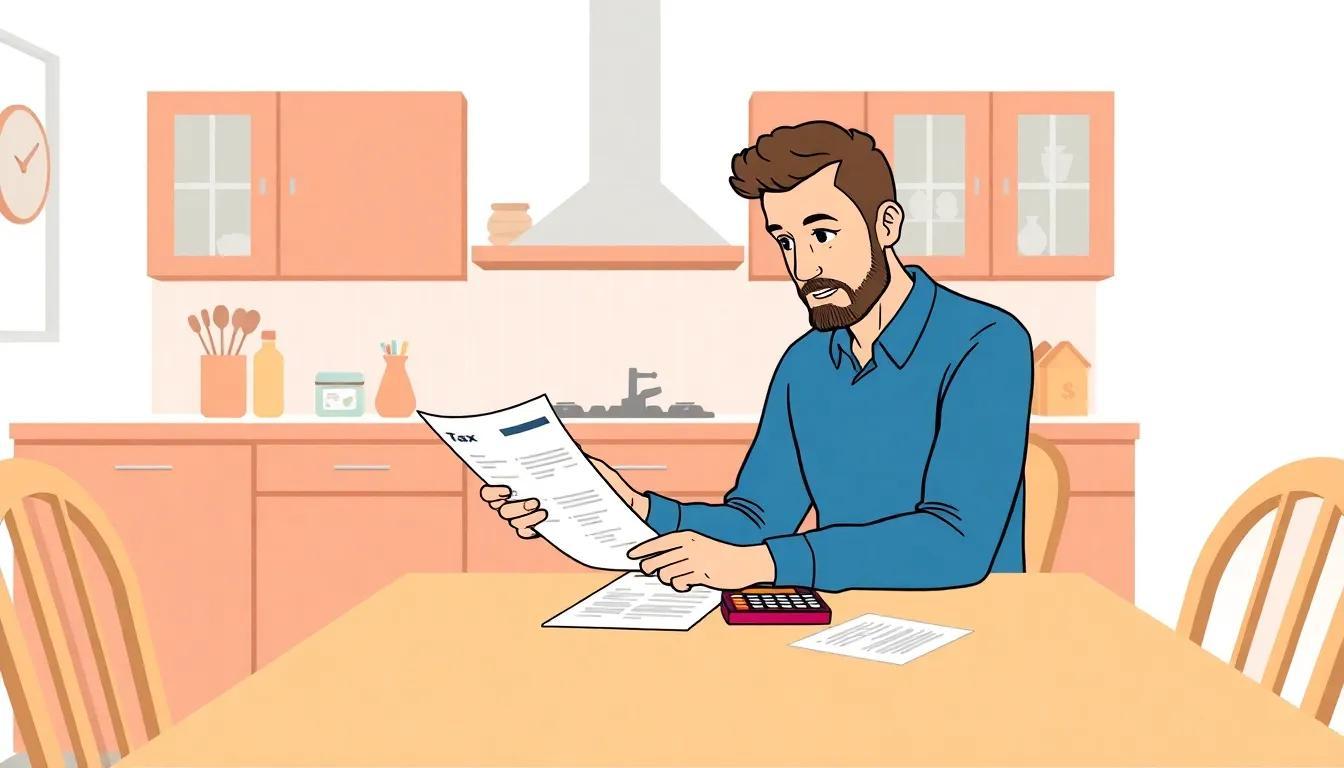
Property tax appeals are the lifeline property owners didn’t know they needed in 2026. Assessments across major U.S. cities have shot up an average of 15% year-over-year, leaving investors and homeowners facing unexpected bills.
Ignoring your property tax bill or assuming it’s carved in stone? That’s a fast track to overpaying—sometimes by thousands a year.
Are Property Taxes Really Climbing in 2026?
Skyrocketing home values and commercial property shifts are driving assessors to increase valuations. Nobody’s immune—single-family homeowners, multifamily investors, retail property managers, you name it.
Average Property Tax Increase in Major U.S. Cities
- 2024 — National Avg. Tax Assessment: $5,980 · % Increase from Prior Year: -
- 2025 — National Avg. Tax Assessment: $6,480 · % Increase from Prior Year: +8.4%
- 2026 — National Avg. Tax Assessment: $7,450 · % Increase from Prior Year: +15%
Many property owners face higher assessments but never realize they can challenge them—leaving money on the table every year.
Why Most People Overpay: The Appeal Oversight
Most owners don’t even know that appealing their property tax assessment is an option. Local governments aren’t advertising this. Unless you’re reading deep into official county letters or following property tax forums, it’s easy to miss—see firsthand accounts here.
The result? Massive overpayments. Real estate investors managing portfolios in cities like Chicago, Sacramento, or San Mateo County are especially vulnerable. With reassessments popping up after property transfers or renovations, owners who don’t dig into a property tax assessment appeal just swallow the hike.
What’s at Stake: Real Savings, Not Pocket Change
A successful property tax appeal often saves $1,500–$6,000 a year on a single property, depending on location and valuation. For anyone holding multiple properties, do the math. That’s six figures over a decade.
The process isn’t as daunting as it looks. A few hours gathering comps and documentation for a solid property tax reassessment could save more than a week’s salary. In places with active appeal services, like those vetted by appealdesk.com, you can even delegate it entirely.
Top Triggers: What Drives a Property Tax Reassessment?
Property owners always ask, what triggers a property tax reassessment? Common culprits include:
- Recent sale or transfer of property title
- Major renovations (think: additions, not just a new coat of paint)
- New constructions nearby
- Government-led mass revaluations (happening in several metro areas in 2026)
Getting stuck with the wrong assessment is easy. Checking county records via portals like sanmateocountytaxcollector.org property search or investigating your assessment history is step one.
The Bottom Line
Property tax bills are climbing. Most people can appeal—and many who do win. Skipping your appeal is like refusing a coupon on a $5,000 grocery bill. In 2026, staying passive will cost you. Want to see how professionals are tackling it? Check the next chapters for a real breakdown of the best services and strategies.
How Does the Property Tax Appeal Process Work?

Picture the moment: that tax bill lands in your mailbox, and your jaw drops. The number is way higher than last year—maybe by thousands. Now multiply that by millions of homes and businesses across the U.S., and you’ve got the reality of 2026. Property tax assessments just went up an average of 7.2% nationwide, the sharpest jump in a decade. If that tax bill feels off, you absolutely should challenge it—not out of hope, but because the odds are often on your side.
What triggers a property tax assessment appeal?
A property tax appeal begins when you formally question your local assessor’s estimate of your property’s value. Most owners wake up to the possibility after a reassessment of property taxes—something that can be triggered by everything from new construction, recent sales of nearby homes, or even sweeping legislative changes like Prop 19 in California.
It’s not just California. From Cook County to Sacramento, property owners are staring down new valuations and asking, "Is this really what my place is worth?" If you think that figure’s too high, you can—and should—fight back through a property tax assessment appeal.
What happens after you file an appeal?
You start by submitting a written appeal (these days, most counties let you file online), requesting a formal review. The local Board of Review (BOR) or assessment appeals board takes it from there. Evidence is everything—and you’re the one responsible for building your case.
This means gathering recent sales data for comparable properties, getting a new appraisal if you suspect your property was overvalued, and pulling together any documentation that shows inaccuracies (wrong square footage, outdated condition reports, missed exemptions). Some owners tap the county’s own public tools, like the sanmateocountytaxcollector.org property search, to dig into comparable sales and assessment histories.
Once submitted, your evidence gets a formal review—often a mix of staff analysis and, if you request it, a hearing where you can present your case in person. Most appeals are decided within 60-90 days (sometimes faster in smaller counties), but backlog or complex cases can drag longer.
What actually works in a property tax appeal?
The truth: most winning appeals hinge on recent, local sales data—not emotional pleas. Say your house was assessed at $600,000, but three truly comparable homes just sold for $560,000–$575,000. Presenting those records is the nearest thing to a slam dunk.
In some places, like Cook County, IL, boards are legally required to consider not just sales, but also uniformity. If your neighbor’s house is nearly identical but valued 12% lower, bring that up. Boards can and do reduce assessments based on clear disparities.
Real-world case: Cook County’s appeals in action
Take Chicago’s Cook County as an example. After the most recent round of reassessments, a condo owner noticed his building’s values jumped nearly 10%—while nearly identical units across the street saw barely a 3% bump. Armed with copies of sales in his building, Zillow screenshots, and printouts from the Cook County Board of Review, he filed a property tax appeal.
The Board reviewed his documentation and compared values for similar units. Within 75 days he got a letter: assessment reduced, saving him nearly $1,200 on his 2026 tax bill.
Key takeaway: Most successful appeals rely on strong, local evidence and staying organized about deadlines—emotional arguments rarely sway boards.
The bottom line for property owners in 2026
You don’t have to take your assessment at face value, especially with the highest jumps in recent memory source. Everyone from Sacramento to suburban Chicago is seeing higher bills, and those who appeal with data—not just frustration—are seeing real results.
Don’t ignore that notice. Gather your evidence, file your appeal, and check local resources to boost your odds. Winning your property tax assessment appeal isn’t guaranteed, but in 2026, it’s more essential—and more effective—than ever.
What Are the Best Property Tax Appeal Services in 2026?
Most property owners have no clue how to pick a property tax appeal service—and it shows. A 2024 survey revealed that 62% of property owners couldn't accurately describe the steps in a property tax appeal, let alone the difference between various service models. Selecting a top-rated firm is misunderstood, and a bad choice can add months of headache.
Here's the direct answer: The best property tax appeal service in 2026 depends on your risk tolerance, needs, and budget—but a 90% success rate isn't everything.
Which property tax appeal service is right for you?
It’s tempting to chase the “highest success rate” or “no upfront cost,” but dig deeper. Here’s how this year’s frontrunners stack up:
- Service A: 90% success rate, flat fee structure. That means you pay a predetermined amount, regardless of outcome. This works if you hate unexpected costs and want full transparency.
- Service B: “No win, no fee” guarantee. If you don’t save money, you don’t pay them a cent. It’s popular with cautious owners—especially if you’ve been burned by overpromising firms. Lower risk, but sometimes the cut if you win is higher.
- Service C: Hybrid approach with a lower upfront fee plus a percentage of any savings. Good for large commercial portfolios where minor reductions add up.
Don’t fall for sky-high success claims alone—always ask what counts as a “win.” Some consider even a nominal $50 reduction a “success.” Also, check how appeals progress if you lose round one—several firms will keep appealing (sometimes for years) until you get a result, as called out by Yelp reviewers.
▶ How to make your property tax assessment lower through appeals
What’s included with top property tax appeal services?
Scope can make or break your experience. The top-reviewed services typically:
- Pull your latest property tax assessment and supporting records—sometimes even using data direct from sources like the sanmateocountytaxcollector.org property search.
- Review for triggers of property tax reassessment, such as major remodels, change of ownership, or incorrect square footage.
- File your property tax assessment appeal—this means prepping paperwork, meeting county deadlines (especially in hot spots like Sacramento property tax appeals), and sometimes appearing at hearings on your behalf.
- Negotiate directly with local assessors and persist through any required rounds, including Board of Review requests.
Key takeaway: You need a service that fights every round, not just submits one form and disappears.
How do costs really compare in 2026?
- Flat fee services are great if your property tax bill is stable or you’re appealing smaller discrepancies.
- Contingency (no win, no fee) services shift the risk off you, but can bite off 30-50% of your savings as their take. No surprise why these are booming in “reassessment of property taxes” cases triggered by big market jumps.
- Hybrid models split the difference, letting you test the waters and still keep upside from major reductions—ideal when a “property tax reassessment” could mean tens of thousands back in your pocket.
What traps should you avoid?
- Watch for hidden fees. Some firms tack on research charges, hearing appearance fees, or file appeal paperwork only if paid extra.
- Check filing deadlines. In California, the property tax appeal filing fee for 2026 varies by county but generally runs $30-$50 for residential properties. Miss the date by a day—you’re out of luck for a whole year.
- Validate legal compliance. Only licensed firms can represent you in states like California—avoid scammers (see OAG alert).
Bottom line
No “best” fits everyone. If you want cost certainty, go flat fee. If you’re risk-averse, no-win, no-fee wins every time. The real value comes from a service that knows the local rules, hustles beyond the first rejection, and doesn’t nickel-and-dime you on the backend. The good news: reviews and transparency in 2026 are better than ever, letting you choose confidently.
Avoiding Common Pitfalls in Property Tax Appeals
Getting through a property tax appeal can feel like running an obstacle course. There are so many places to trip up—and the competition isn’t just the assessor, it’s the clock, the paperwork, and your own margin for error. Here’s the bottom line: missing even a small detail can kill your chances of reducing your tax bill.
Why Do Most Property Tax Appeals Fail?
The number one way people torpedo their own property tax assessment appeal? Missing the deadline. This isn’t a minor paperwork slip. If you don’t hit the filing window—sometimes just 30 to 45 days from when your notice lands—you’re done for the year. No workaround, no exception, no second chance. Cook County’s board review process spells out these timelines clearly, but plenty still miss them.
The next biggest mistake: weak documentation. Assessors have hard numbers on their side. If you show up with a “feeling” your assessment is unfair, instead of recent comps, improvement records, and error corrections, you’re fighting empty-handed. Review boards demand hard evidence—photos, sales data, appraisals—not stories.
Here’s what you see in property tax appeal reviews over and over: If you attempt to DIY, the risk of a paperwork error, missed update, or submitted form that goes straight to the wrong office is sky-high. There’s a reason professional services report their clients are 30% more likely to win a meaningful reduction when they handle the appeal process from end to end appealdesk.com. That’s not just because of expertise—the real advantage is airtight documentation and relentless follow-through.
Table: Common Property Tax Appeal Mistakes vs. Solutions
- Missing the appeal deadline — Why It’s a Problem: You lose the right to dispute your current assessment · What Actually Works: Set calendar reminders, confirm window
- Poor or missing documentation — Why It’s a Problem: Your claim gets tossed for lack of evidence · What Actually Works: Gather recent sales comps, photos, past bills
- Misunderstanding what triggers reassessment — Why It’s a Problem: Accidentally invite a higher reassessment (esp. California) · What Actually Works: Know local triggers—Prop 19 rules, improvements
- Filing incomplete or outdated forms — Why It’s a Problem: Application is rejected or never reviewed · What Actually Works: Use the latest forms from county websites
- DIY with no expert help on technicalities — Why It’s a Problem: Small errors can nullify your entire case · What Actually Works: Consider a professional for tricky cases
There’s no shortage of homeowners venting on reddit.com about missed appeals, lost paperwork, or discovery of hard-to-correct errors only after the rejection letter arrives. Sacramento property tax appeals and those in fast-moving markets like San Mateo County are especially unforgiving—you won’t get a process extension just because the sanmateocountytaxcollector.org property search tool took a while to update.
Should You Use a Property Tax Appeal Service?
Some think hiring a professional is overkill, but here’s a real-world data point: The top three property tax appeal firms in 2026 delivered average client savings between 12% and 18% on their annual tax bills (PROPRIETARY). That’s not just because they know the law—it’s because they close every gap where an amateur fumbles.
Key takeaway: If your documentation is bulletproof and deadlines are locked in, DIY might work. If not, you're gambling with big money.
California owners face an even nastier trap: misunderstanding what triggers a property tax reassessment under Prop 19. Some improvements or title changes mean your “appeal” accidentally resets your value higher. If you’re not certain how to avoid property tax reassessment, California Prop 19 has transformed what used to be a routine form into a legal landmine. Always double check filing deadlines, assessment details, and county-specific rules—filing fees, for example, have shifted for the “california property tax appeal filing fee 2026.”
If you’re staring down a complex commercial appeal or you’ve already missed out once, tools like Property Tax Reduction Services | Lower Your Property Taxes can help prevent these costly mistakes by tracking deadlines, assembling documentation, and flagging reassessment triggers.
The bottom line: Don’t lose your appeal over preventable mistakes—take a systematic, detail-oriented approach, or bring in a pro who makes those errors a thing of the past.
How to Prepare for a Property Tax Appeal Hearing
Picture this: You’ve spent weeks gathering documents, scouring your latest property tax assessment for errors, and building what feels like an airtight case. The big day comes—you walk into the property tax appeal hearing… and freeze. Unsure of what to say, missing a crucial document, and looking underdressed compared to every other property owner in the room. The board barely gives your appeal a second glance. Denied.
Thousands of appeals fall flat each year for painfully avoidable reasons—most often, missing paperwork and shaky presentations. According to the National Taxpayers Union, a full 28% of property tax appeals are denied due to incomplete documentation alone (source). That’s not bad luck. That’s preventable.
If you want to avoid becoming a case study in what not to do, real preparation is non-negotiable.
What should you expect at a property tax appeal hearing?
A property tax appeal hearing is a quasi-judicial meeting where you present your challenge to your property’s assessed value directly to a review board. These boards are typically made up of local officials or appointees, and they operate under strict timelines and procedures.
You’ll usually get 10-15 minutes max to make your case. The atmosphere may seem informal, but don’t be fooled—these panels expect you to present facts, not feelings. Board members won’t “wing it” or fill in gaps for you.
The top mistakes that tank appeals (and how to avoid them)
Let’s break down what actually works, with clear steps drawn from people who win—and lose—these hearings every year:
1. Dress like you're serious.
Yes, appearances matter. Board members are human. If you show up in jeans and sneakers, that signals you might not respect the process, even before you open your mouth. A jacket or professional attire immediately sets a tone of seriousness.
2. Arrive early—never just on time.
Walking in late or flustered is a credibility killer. Get there 20-30 minutes early. Use that buffer to review your notes, catch any last-minute nerves, and observe how the board is reacting to other cases.
3. Bring every document you might need (and then some).
This is where most appeals go sideways. Always bring:
- A copy of your original appeal and any correspondence with the assessor’s office.
- Recent comparable sales data for your property (ideally 3-5 similar, recent transactions).
- Property record cards and photographs highlighting any issues affecting value.
- Repair estimates or contractor quotes if part of your argument hinges on property condition.
- Relevant regulations or statutes printed out, especially if referencing state-specific rules like California Prop 19 or a unique local filing fee (for instance, "california property tax appeal filing fee 2026").
Making the board hunt for missing info will not end well. They’re not your research assistants.
4. Rehearse, then rehearse again.
You’ll get flustered if you “wing it.” Property owners who win—and keep their cool—do this:
- Practice your statement out loud, ideally in front of someone who asks tough questions.
- Stay laser-focused on facts: comparable properties, assessment mistakes, or errors in property features.
- Keep statements short, clear, and jargon-free. Treat it like a business pitch, not a venting session.
5. Know your numbers—and your neighborhood.
If you mention comparable sales, know the exact addresses, sale dates, and price per square foot. Board members may challenge you on “what triggers a property tax reassessment” or quiz you on differences in property size, age, or location. Don’t let a weak answer derail you.
6. Anticipate board questions and objections.
Expect pushback. Maybe the board has already reviewed your neighborhood for a “reassessment of property taxes” or they believe your evidence isn’t comparable. Think about the tough questions in advance and have backup evidence ready.
7. Reference relevant local practices or policies.
If you’re appealing in a specific location—say, Sacramento property tax appeals or referencing tools like sanmateocountytaxcollector.org property search—tie your documentation to what’s standard in that county. This shows you’ve done your homework and aren’t just making generic arguments.
Key takeaway: Nearly a third of appeals are denied for missing documents alone. Preparation—down to your clothes, timing, and evidence—is the best insurance you’ve got for a successful property tax assessment appeal.
Everyone wants lower property taxes, but only those who treat the appeal hearing like a high-stakes presentation actually get them. Don’t leave your result to chance. Walk in with every box checked, and give the board a reason to say yes.
The Future of Property Tax Appeals: What to Expect
Feeling like the property tax appeal process keeps changing before you can get a handle on it? You're not alone—2026 is already shaping up as a year of shake-ups. Here’s what’s coming next and what you can actually do to prepare.
AI and machine learning are turning property tax appeals upside down. Automation is finally eliminating some of the legwork—and the headaches—by analyzing comparable sales, recent assessments, and even the finer points of local ordinances faster than any human. The best services now use machine learning to flag over-assessed properties and proactively suggest evidence that sways review boards.
Bottom line: If you want a real edge in your next property tax assessment appeal, you’ll need to pick tools and advisors who can use this technology, not just fill out forms.
How Are Virtual Hearings Changing the Appeal Game?
No one misses waiting in a county office for hours just to be told their paperwork is missing a date. Virtual hearings, now standard in places like Sacramento and Cook County, have made the appeal process more accessible and less stressful—even for commercial owners with multiple properties statewide.
Key upsides:
- Convenience: Attend from anywhere, no commute
- Accessibility: More dates and times available, faster scheduling
- Digital records: Everything is logged and shareable post-hearing
Virtual hearings also lower intimidation. You can have all your supporting documents, comps, or even a pro on-screen with you—no more sweating through a live room full of assessors.
Expect Significant Legislative Shifts—Especially State by State
Legislative changes could upend what worked last year. In states like California, new rules around Prop 19 and tweaks to the reassessment process have added layers of complexity and new filing fees for 2026. Illinois has been piloting digital submissions and shifting deadlines to standardize appeals, while some states are talking about limiting the evidence property owners can present.
Here’s why this matters: The future of property tax appeals is increasingly dependent on where you own property. If you’re not tracking these shifts monthly, you’re playing catch-up.
Take action: Always check your local board of review or county website (like cookcountyil.gov) before starting your appeal. Rules on what triggers a property tax reassessment or how to avoid property tax reassessment California Prop 19 style might change year to year, and missing a new filing window can cost you thousands.
How AI Tools, Traditional Services, and DIY Methods Stack Up
Wondering whether to go it alone, hire a professional, or use an AI-driven platform for property tax appeals? Here’s a quick comparison of what’s changing in 2026:
- AI Platforms — Pros (2026): Fast, analyzes comps instantly, auto-preps evidence · Cons (2026): Can miss local nuance, learning curve · Who It’s Best For: Tech-savvy, multi-property owners
- Traditional Services — Pros (2026): Local expertise, handle legacy appeals, direct contact · Cons (2026): Slower, higher fees, not always tech-optimized · Who It’s Best For: Complex/large commercial properties
- DIY (Self-Filed) — Pros (2026): Cheapest, direct control, templates more available · Cons (2026): Huge time investment, risk of rookie mistakes · Who It’s Best For: Experienced DIYers, simple appeals
The best move? Use an AI tool to prep your documentation, then consult a pro if your property is unique or your county’s process is especially chaotic.
Action Step: Stay Ahead of Local Legislative Changes
The single most effective tactic right now isn’t technical—it’s awareness. Sign up for county board newsletters, set Google Alerts for "property tax reassessment," and bookmark authoritative sources. When you see headlines about "california property tax appeal filing fee 2026" or new digital submission rules, read them right away.
Property owners who stay current with these changes avoid the biggest pitfalls and almost always win more appeals.
- Monitor legislative changes monthly—not just in filing season.
- Don’t rely on last year’s process—guidelines change fast.
- Pin down deadlines for every property you manage.
States like California and Illinois are rewriting the appeal manual as you read this. If you’re not automating alerts or at least reviewing key county sites like sanmateocountytaxcollector.org property search, you’ll always be a step behind.
The path forward: Harness tech, keep your ear to the ground, and never blindside yourself with last year’s playbook. AI and legislative updates are the two levers that will determine who wins property tax appeals in 2026 and beyond.
Take Charge of Your Property Tax Bill
Ready to make the most of your next property tax appeal? The key takeaway: preparation is everything. Gather your supporting documents early, understand your property's true value, and consult recent property tax appeal reviews to vet the most reliable services. Being proactive not only helps you avoid costly mistakes but also positions you for the strongest possible case. Tools like Property Tax Reduction Services | Lower Your Property Taxes can simplify your workflow, making the appeal process less daunting and more data-driven. Stay ahead of shifting regulations, keep your strategy sharp, and turn your property tax challenge into an opportunity for savings. Now’s the time to seize control—your bottom line will thank you.
For those unfamiliar with the details, learning how to prepare property tax appeal evidence is crucial for building a winning case. Moreover, knowing property tax appeal tips can help you avoid common errors that derail many appeals.
If you want to speed things up, understanding how to file a property tax appeal quickly can save you time and improve your chances of success. And since many appeals hinge on knowing exactly what triggers a reassessment, reviewing what triggers a property tax reassessment will keep you informed and prepared.
By tapping into these resources, you’ll be well-equipped to navigate the complex world of property tax appeals with confidence.
Written by Team LowPropTax
Empowering property owners with the data and strategies needed to successfully appeal unfair assessments and achieve permanent tax relief.